

Blog
Solid Wood Furniture: How to Choose the Right Pieces

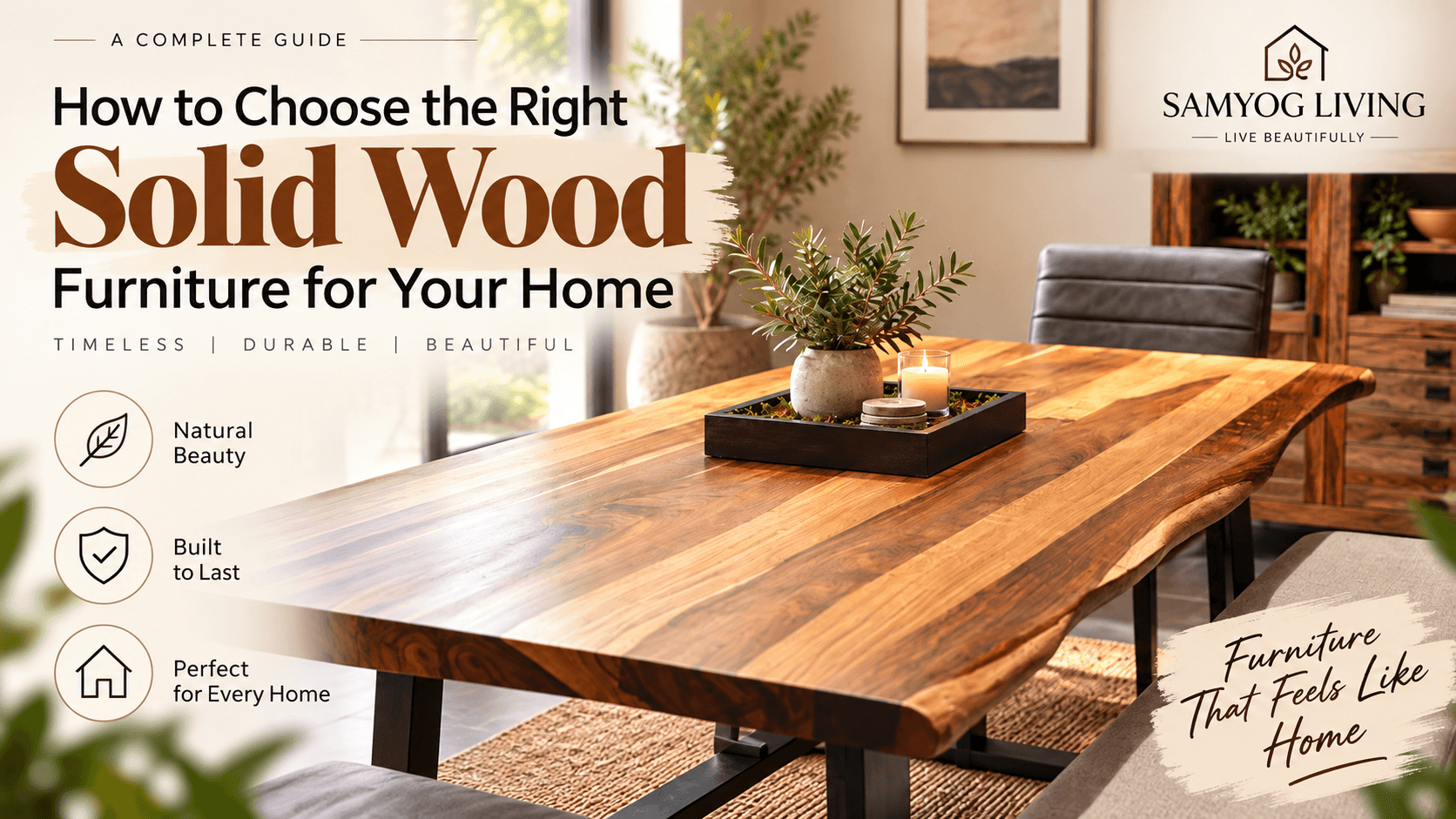
Choosing furniture for your home is about much more than finding something that looks attractive in a showroom or online catalogue. The right furniture should fit your space, match your lifestyle, complement your interiors and remain useful for years. This is especially important when you are investing in solid wood furniture, because the material, craftsmanship, construction and finish can all influence how the piece performs over time.
Today, homeowners have countless options, from engineered boards and veneers to natural timber. Understanding the difference can make it easier to select wooden furniture that suits your home rather than simply choosing a design because it looks good in a photograph.
For buyers looking for long-lasting, natural and thoughtfully made pieces, solid wood home furniture offers a combination of character, functionality and timeless appeal. However, not every piece described as “wooden furniture” has the same construction or quality.
So, how do you choose the right furniture for your home? Let’s look at the important factors you should consider before making your decision.
Why Solid Wood Furniture Is a Popular Choice for Modern Homes
Solid wood furniture is made primarily from natural timber, giving every piece its own grain patterns, textures and natural variations. Unlike furniture designed to imitate the appearance of wood, genuine timber allows the material itself to become part of the design.
One of the biggest attractions of solid wood home furniture is its ability to work with different interior styles. A natural wooden dining table can suit a contemporary apartment, while a handcrafted wooden console can add warmth to a traditional or modern living room.
Quality also depends on how the timber is prepared and how the furniture is constructed. Samyog Living, for example, states that its wood is kiln-seasoned to the appropriate moisture level before production, while its furniture is produced through an in-house manufacturing process in Jodhpur.
This attention to material preparation is important because furniture is expected to handle everyday use, changes in indoor conditions and regular cleaning.
1. Start by Understanding Your Space
Before choosing solid wood furniture, measure the room carefully. A beautiful piece can still feel unsuitable if it overwhelms the space or restricts movement.
Measure the available floor area, doorways, windows and walking paths. For larger pieces such as beds, wardrobes, dining tables and sofas, also consider how much space will remain when the furniture is actually in use.
For example, a large dining table may look impressive, but if chairs cannot be pulled out comfortably, the furniture becomes less practical. Similarly, a large wooden sofa table may look attractive but can make a compact living room feel crowded.
The goal is to choose wooden furniture that works with your room rather than simply filling an empty area.
Samyog Living also offers custom furniture options where dimensions, wood type, finish and upholstery can be specified according to a project or room requirement.
2. Check Whether the Furniture Is Actually Solid Wood
One of the most important questions to ask before purchasing solid wood furniture is: What is the furniture actually made from?
The term “wood furniture” can describe several different construction methods. Some pieces may use solid timber, while others may combine engineered boards with a wood veneer or decorative finish.
There is nothing inherently wrong with engineered materials when they are appropriate for a particular application. However, buyers should understand what they are purchasing instead of assuming that every piece marketed as wooden furniture is made entirely from solid timber.
Look at the product specifications and ask the manufacturer about:
- The wood species used
- Which parts are solid wood
- How the timber is prepared
- The construction method
- The finish applied to the surface
Samyog Living says its structural furniture uses solid hardwood and lists materials including mango, sheesham, teak, ash, oak and acacia across its manufacturing and product information.
Being clear about the material is one of the simplest ways to make a more informed furniture purchase.
3. Choose the Right Wood for Your Furniture
Different types of timber have different visual characteristics, grain patterns and applications. Therefore, choosing solid wood home furniture is not simply about selecting a colour.
For example, mango wood is known for its distinctive natural grain and warm appearance, while sheesham is appreciated for its rich grain character. Teak has also long been associated with furniture because of its natural properties and appearance.
The right option depends on the product, your interior design and how you intend to use the furniture.
Samyog Living works with several wood species and explains that the material is selected according to the product’s use case and finish requirements.
If you are buying a dining table that will be used every day, for example, your requirements may be different from those for a decorative console or occasional side table.
Instead of asking only, “Which wood looks the best?”, ask, “Which wood and construction are appropriate for this particular piece?”
4. Pay Attention to Joinery and Construction
Beautiful wood cannot compensate for poor construction.
When buying durable wooden furniture, look closely at how the individual components are connected. Examine table legs, chair joints, drawer construction, cabinet doors and supporting frames.
Good construction should feel stable when you use the furniture. Chairs should not wobble unnecessarily, drawers should operate smoothly and tables should feel properly supported.
Joinery is particularly important for furniture that experiences regular movement and load. A dining chair, for example, may experience repeated pressure every day, while a decorative console may experience considerably less physical stress.
This is why handcrafted furniture can be appealing when craftsmanship is an important part of your purchasing decision. Skilled craftsmen can pay close attention to details that influence the final appearance and construction of a piece.
Samyog Living states that its master craftsmen, carpenters, polishers and upholsterers work within its own facility in Jodhpur, combining traditional craftsmanship with modern manufacturing technology.
5. Look at the Finish, Not Just the Shape
The finish can dramatically change how wooden furniture looks in your home.
Natural timber can have variations in grain, tone and texture. Rather than expecting every piece to look identical, consider whether those natural characteristics complement your interior.
A lighter finish can create an airy and contemporary appearance, while deeper finishes can create a richer and more traditional atmosphere.
For buyers interested in handcrafted furniture, the finish is also an opportunity to appreciate the natural character of the timber rather than covering it completely.
Samyog Living describes its approach as allowing the material to remain visible in the finished piece, with hand-finished surfaces and natural wood character forming an important part of its design philosophy.
6. Think About Durability and Everyday Use
Furniture should be selected according to how you actually live.
A family dining table may be used every day, while an occasional chair may have a completely different purpose. Similarly, bedroom furniture needs to provide dependable everyday functionality, whereas a decorative side table may be selected primarily for its appearance.
When durability matters, consider the timber, construction, joinery, finish and intended use together.
The objective is not simply to buy the heaviest piece available. Instead, look for durable wooden furniture that has been appropriately designed and constructed for the environment in which it will be used.
Proper care also matters. Avoid prolonged exposure to moisture, clean surfaces according to the manufacturer’s recommendations and use coasters or protective mats where appropriate.
7. Consider Handcrafted Furniture for Character
Mass-produced furniture can provide consistency, but handcrafted furniture offers something different: visible character.
Natural variations in timber mean that every piece can have subtle differences in grain and texture. Small variations are not necessarily imperfections; they can be part of what makes natural wood furniture distinctive.
Handcrafted production can also allow greater attention to detail during finishing and construction.
For homeowners who want their interiors to feel personal rather than completely uniform, handcrafted furniture can introduce warmth and individuality into spaces such as living rooms, bedrooms, dining areas and home offices.
This approach is particularly relevant to Jodhpur’s long-standing furniture-making tradition. Samyog Living is based in Jodhpur and operates a 45,000-square-foot in-house factory, combining local craftsmanship with modern production capabilities.
8. Choose Furniture That Can Grow With Your Home
One of the benefits of choosing solid wood home furniture is its timeless visual character.
Instead of selecting furniture purely around short-lived trends, consider pieces that can continue working with your interiors as your preferences change.
A well-designed wooden dining table can work with different chairs and décor styles. A simple solid wood console can move between rooms. A classic bedside table can complement both traditional and contemporary bedroom designs.
This makes solid wood furniture particularly interesting for homeowners who want furniture to remain part of their home for the long term.
How Samyog Living Helps You Choose Healthier, More Natural Options
When people talk about healthier furniture choices, it is important not to assume that a particular piece of furniture automatically improves health. However, buyers can make more conscious choices about materials, manufacturing practices and the products they bring into their homes.
Samyog Living focuses on natural solid hardwood, craftsmanship and eco-conscious manufacturing practices. The brand states that it uses solid hardwood across its structural furniture and works with materials including mango, sheesham, teak, ash, oak and acacia.
The brand also describes low-waste cutting and eco-friendly practices as part of its manufacturing philosophy.
For someone searching for solid wood home furniture, this provides an opportunity to look beyond appearance and consider the material, manufacturing process and expected use of the product.
Samyog Living’s range includes products such as dining chairs, dining tables, sofas, coffee tables, consoles, sideboards, beds and other furniture categories. Its online store also offers made-to-order products and custom project options.
Why Choose Samyog Living for Solid Wood Furniture?
Choosing a furniture brand is ultimately about understanding what goes into the products.
Samyog Living is based in Jodhpur, Rajasthan, and operates an in-house 45,000-square-foot factory. The company states that it has six decades of furniture-making experience within its core team and works with skilled craftsmen directly within its facility.
The brand offers both residential and commercial furniture, with its website highlighting categories including beds, dining tables, dining chairs, sofas, sideboards, coffee tables, consoles and more.
For customers who need something specific, Samyog Living also provides customisation for dimensions, wood types, finishes, upholstery and hardware.
This combination of solid wood furniture, customisation and handcrafted furniture allows homeowners to think about furniture as part of their overall interior rather than simply as individual products.
Final Thoughts
Choosing the right furniture requires more than selecting the first design that catches your eye. Consider the size of your room, the purpose of the furniture, the wood species, construction quality, finish and how the piece will fit into your lifestyle.
When you understand these factors, choosing solid wood furniture becomes a much more informed process. Quality wooden furniture can bring natural texture and character into your home, while well-constructed durable wooden furniture can be designed for regular everyday use.
For homeowners who appreciate natural materials and craftsmanship, solid wood home furniture and handcrafted furniture can offer a distinctive approach to furnishing modern spaces.
With its Jodhpur manufacturing heritage, in-house production, natural hardwood focus and custom furniture capabilities, Samyog Living brings together traditional craftsmanship and contemporary furniture requirements to create pieces designed around how people live today.
Frequently Asked Questions
What is solid wood furniture?
Solid wood furniture is furniture made primarily from natural timber rather than relying primarily on engineered boards with a decorative wood appearance. The exact construction can vary by product, so buyers should always check the manufacturer’s material specifications.
Is solid wood furniture durable?
Well-designed solid wood furniture can be highly durable, but durability depends on the wood species, construction, joinery, finish, maintenance and how the furniture is used. Choosing the right construction for the intended application is important.
How do I choose wooden furniture for my home?
Start by measuring your space and identifying how the furniture will be used. Then consider the wood species, construction, dimensions, finish, maintenance requirements and overall design. These factors can help you choose wooden furniture that fits both your home and lifestyle.
Is solid wood furniture worth buying?
The answer depends on your priorities, budget and intended use. If you value natural timber, craftsmanship, longevity and the ability to customise furniture, solid wood home furniture can be a suitable option to consider.
What is the difference between solid wood and engineered wood furniture?
Solid wood furniture primarily uses natural timber, while engineered wood products are manufactured from processed wood fibres, particles or layers. Some furniture combines both materials, so checking the product specifications is important before purchasing.
What types of wood are used for furniture?
Common furniture woods include mango, sheesham, teak, acacia, oak and ash. Each has different grain characteristics, appearance and practical properties. Samyog Living states that it works with several of these wood species depending on the furniture application and finish.
What makes handcrafted furniture different?
Handcrafted furniture places greater emphasis on skilled workmanship and individual construction and finishing. Natural wood variations can also make each piece visually distinctive.
How can I identify durable wooden furniture?
Look beyond the appearance. Check the material, joinery, stability, thickness of structural components, finish quality and manufacturer’s construction information. Durable wooden furniture should be appropriate for the amount and type of use it will receive.
Does Samyog Living offer customised furniture?
Yes. Samyog Living states that customers can customise dimensions, wood type, finish colour, upholstery fabric and hardware according to their requirements.
Where is Samyog Living furniture made?
Samyog Living is based in Jodhpur, Rajasthan, and operates an in-house 45,000-square-foot manufacturing facility.
