Understanding Cafés
A café is much more than just a coffee stop. It’s a relaxed, social, and creative space that encourages people to linger — whether they’re reading, chatting, or working remotely. The furniture, lighting, and layout of a café all reflect this informality and warmth.
Key Characteristics of a Café
Casual and Comfortable Ambience
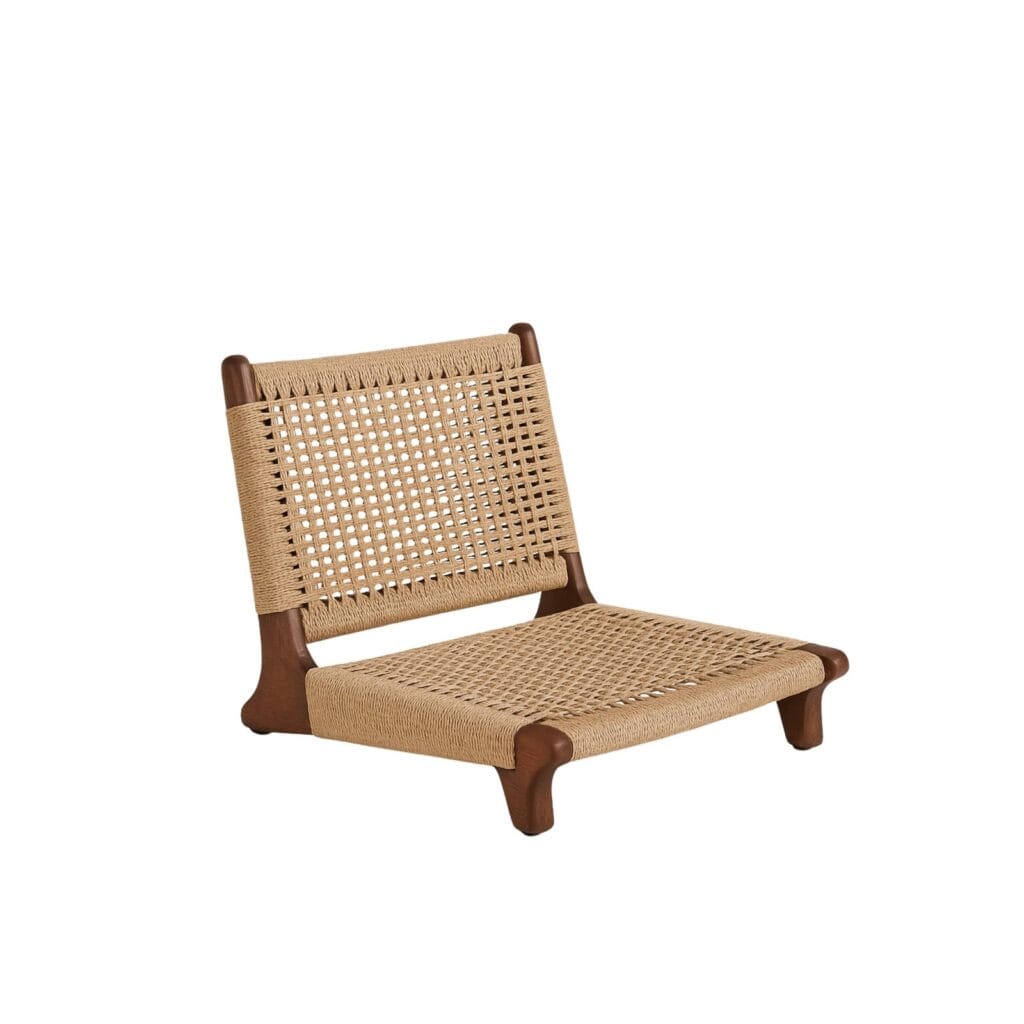
Cafés are designed with coziness in mind — plush seating, natural light, and a homely atmosphere. Soft music, small tables, and warm décor make people feel at ease. The right café furniture (like compact tables, lounge chairs, and wooden benches) plays a big role in creating this vibe.
Beverage-Focused Menu
The star of any café is its beverage menu — coffee, tea, smoothies, and specialty drinks. Food items like sandwiches, pastries, and desserts complement the drinks rather than dominate the offering.
Light Food Options
Cafés typically serve light bites — perfect for quick meals or casual meet-ups. The focus is on easy-to-prepare, fresh items that match the relaxed mood.
Self-Service or Counter Service
Customers usually order at the counter, making service quick and informal. This layout also allows for more flexible seating arrangements using versatile commercial café furniture.
Work- and Social-Friendly Design
Many modern cafés double as workspaces. They offer Wi-Fi, plug points, and comfortable chairs to accommodate students, freelancers, and remote workers.
Understanding Restaurants
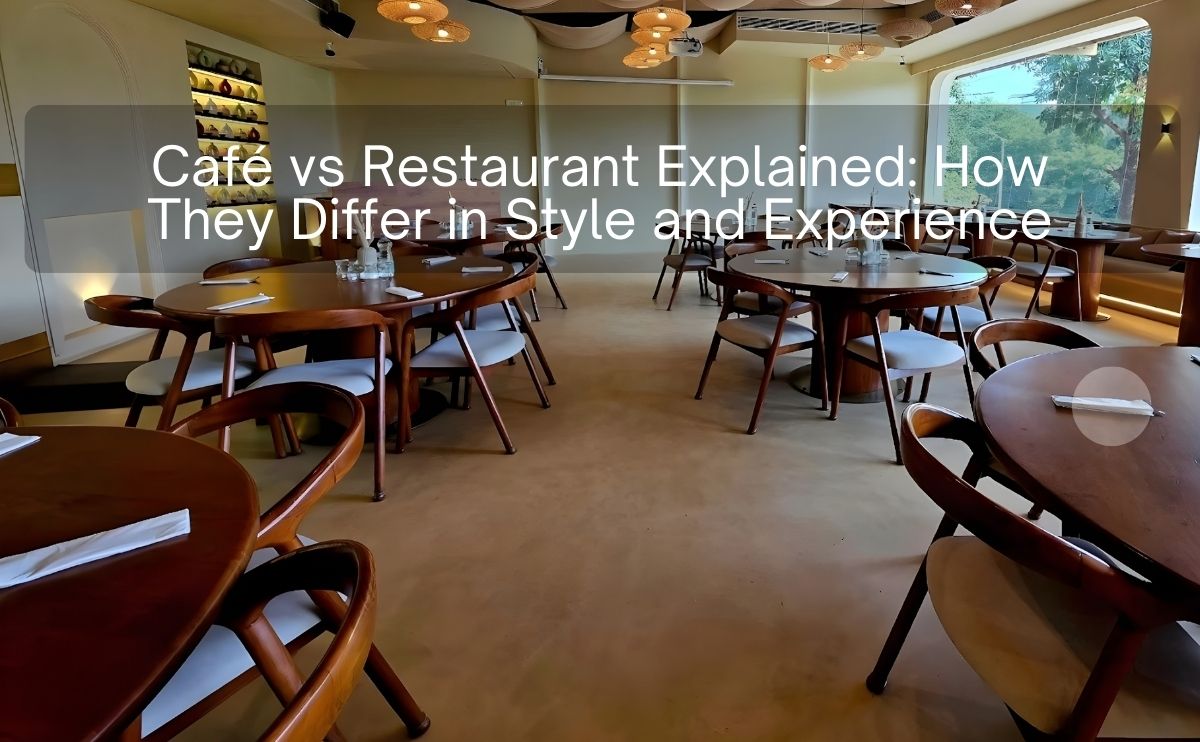
Restaurants, on the other hand, are built for complete meals and curated dining experiences. They offer more elaborate menus, full service, and structured seating layouts — ideal for families, business dinners, or special occasions.
Key Characteristics of a Restaurant
Extensive Menu Options
From starters to desserts, restaurants offer a variety of cuisines and courses. Whether casual dining or fine dining, the focus is on full-course meals and professional presentation.
Full-Service Dining
Waitstaff take orders, serve food, and ensure that the experience feels seamless. This calls for more formal restaurant furniture — including dining tables, upholstered chairs, and spacious seating layouts.
Ambience and Design
Restaurants can range from vibrant and casual to elegant and luxurious. Lighting, wall textures, and furniture style (wood, metal, or upholstered finishes) set the tone for the dining experience.
Spacious Layouts
Restaurants are designed to accommodate larger groups and high traffic. The furniture arrangement ensures comfort, accessibility, and aesthetic appeal across all seating areas.
Focus on Dining Experience
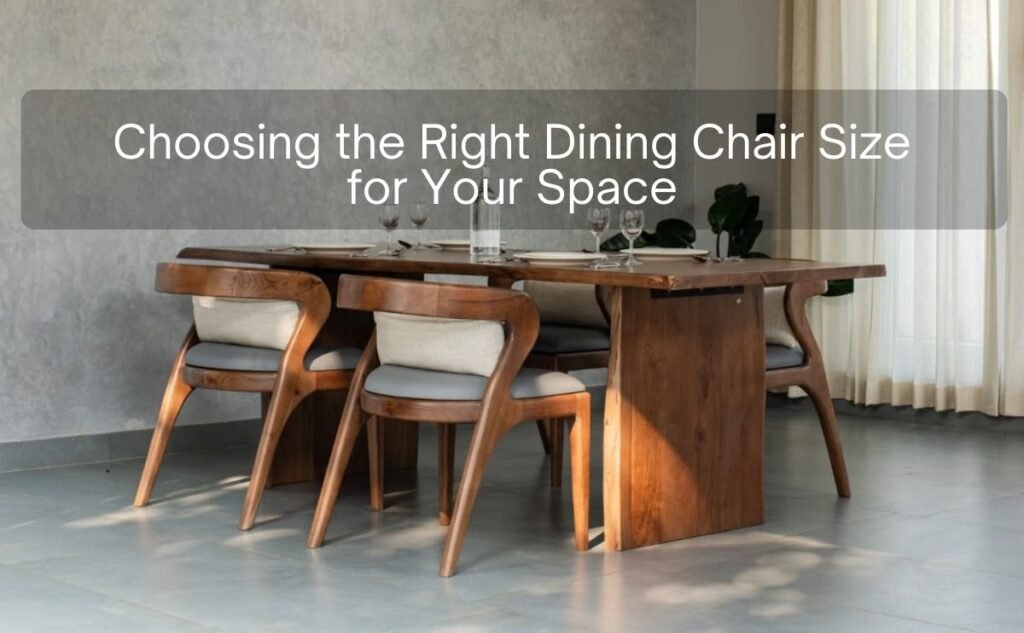
Every aspect — from cutlery and service to the quality of seating — contributes to the guest experience. Fine dining setups often feature premium solid wood restaurant furniture that blends comfort with visual sophistication.
Café vs Restaurant: The Key Differences
| Category | Café | Restaurant |
|---|
| Purpose | Relaxation, socializing, and light meals | Full meals and formal dining |
| Ambience | Cozy, informal, and creative | Elegant, structured, and thematic |
| Menu Focus | Beverages, snacks, pastries | Appetizers, mains, desserts, and drinks |
| Service Style | Self-service or counter-service | Full table service with waitstaff |
| Seating & Furniture | Compact café furniture, small tables, and soft seating | Sturdy restaurant furniture with ergonomic dining chairs and tables |
| Customer Duration | Long stays, casual working, socializing | Timed dining, multi-course meals |
| Pricing | Generally affordable | Moderate to premium, depending on dining level |
| Target Audience | Students, freelancers, coffee lovers | Families, couples, professionals |
Types of Cafés
Coffeehouse Café: Primarily focused on coffee and beverages.
Bakery Café: Combines freshly baked goods with coffee or tea.
Internet Café: Offers workspace with internet facilities.
Specialty Café: Focuses on artisanal or organic drinks.
Cultural Café: Integrates local art, books, or live performances.
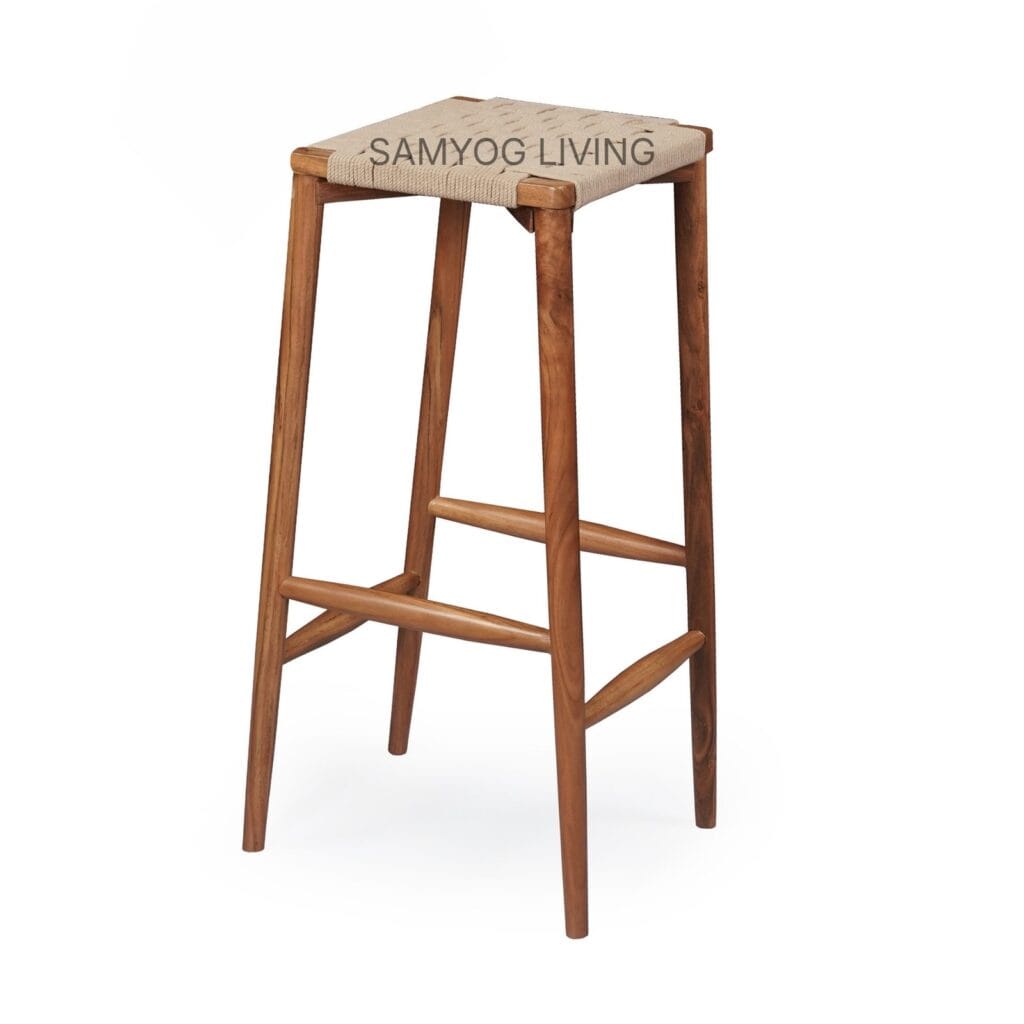
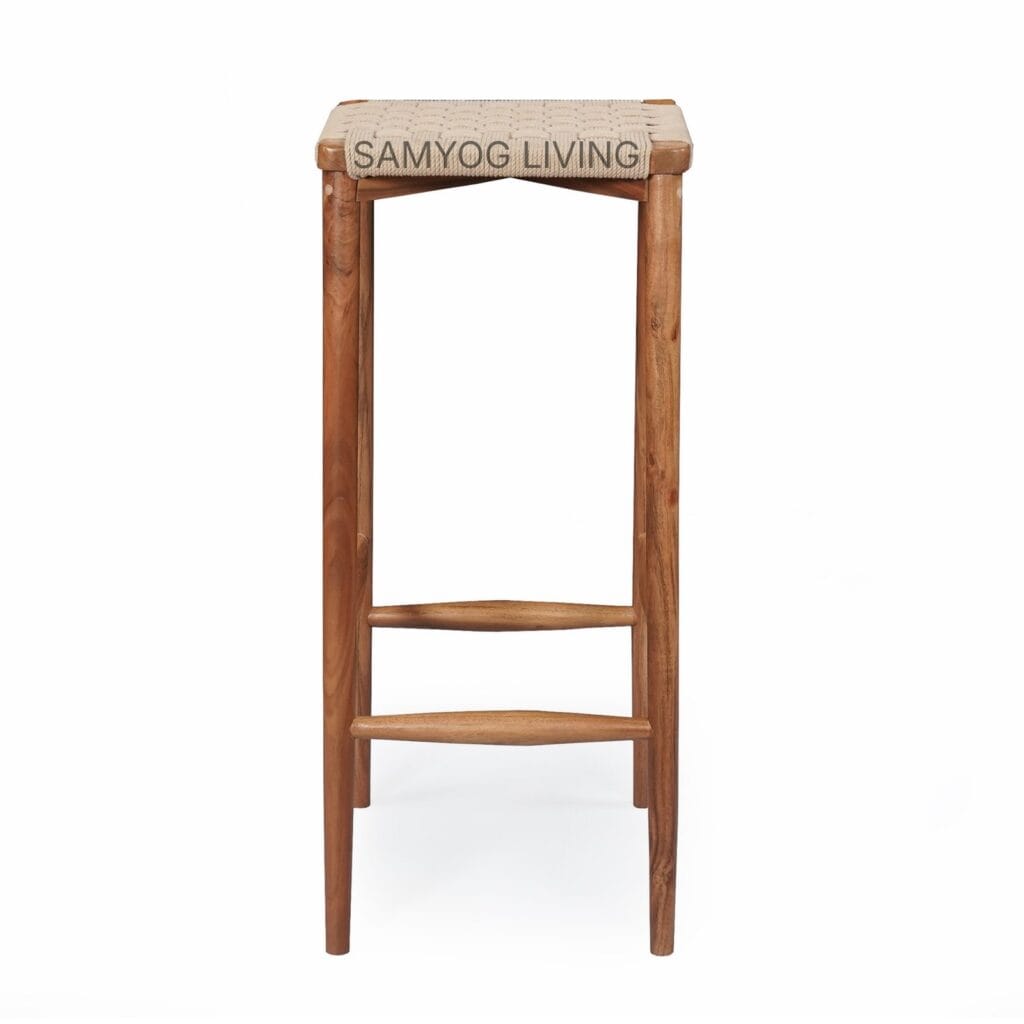
When designing any of these, compact tables, bar-height stools, and warm-toned wooden café furniture create a welcoming and versatile environment.
Types of Restaurants
Casual Dining: Moderate pricing, comfortable seating, and simple decor.
Fine Dining: Formal atmosphere, premium ingredients, and sophisticated restaurant furniture with upholstered seating.
Fast Food: Minimal decor, quick service, and efficient layout.
Buffet Restaurants: Large spaces with modular furniture for flexibility.
Themed Restaurants: Interiors reflect a concept — vintage, industrial, or modern rustic.
Each type demands different furniture materials and arrangements — from sleek metal chairs to solid wood dining tables with intricate detailing.
Choosing Between a Café and a Restaurant
Your choice depends on your purpose, meal preference, and time availability.
Visit a Café for relaxed meetings, coffee breaks, or creative work hours.
Choose a Restaurant for full meals, business lunches, or special occasions.
When planning your business or redesign, always align your furniture selection with the kind of experience you wish to offer — minimal and cozy for cafés, structured and luxurious for restaurants.
Benefits of Cafés
Relaxed and affordable environment
Ideal for long stays and casual meetings
Great social and work-friendly setup
Specialised beverages and snacks
Warm and inviting café furniture that supports comfort and creativity
Benefits of Restaurants
Full-course meal experience
Professional service and ambiance
Variety of cuisines
Group-friendly layout
Elegant restaurant furniture that enhances dining comfort
Common Misconceptions
“Cafés only serve coffee.” Many serve snacks and light meals too.
“Restaurants are always expensive.” Casual dining restaurants can be budget-friendly.
“Cafés are only for youngsters.” They attract all age groups seeking a relaxed vibe.
“Restaurants are always formal.” Many now offer relaxed or themed dining setups.
Final Thoughts
The difference between a café and a restaurant goes beyond the food — it’s about the mood, purpose, and experience. Cafés celebrate informality, creativity, and community, while restaurants focus on structure, service, and indulgence.
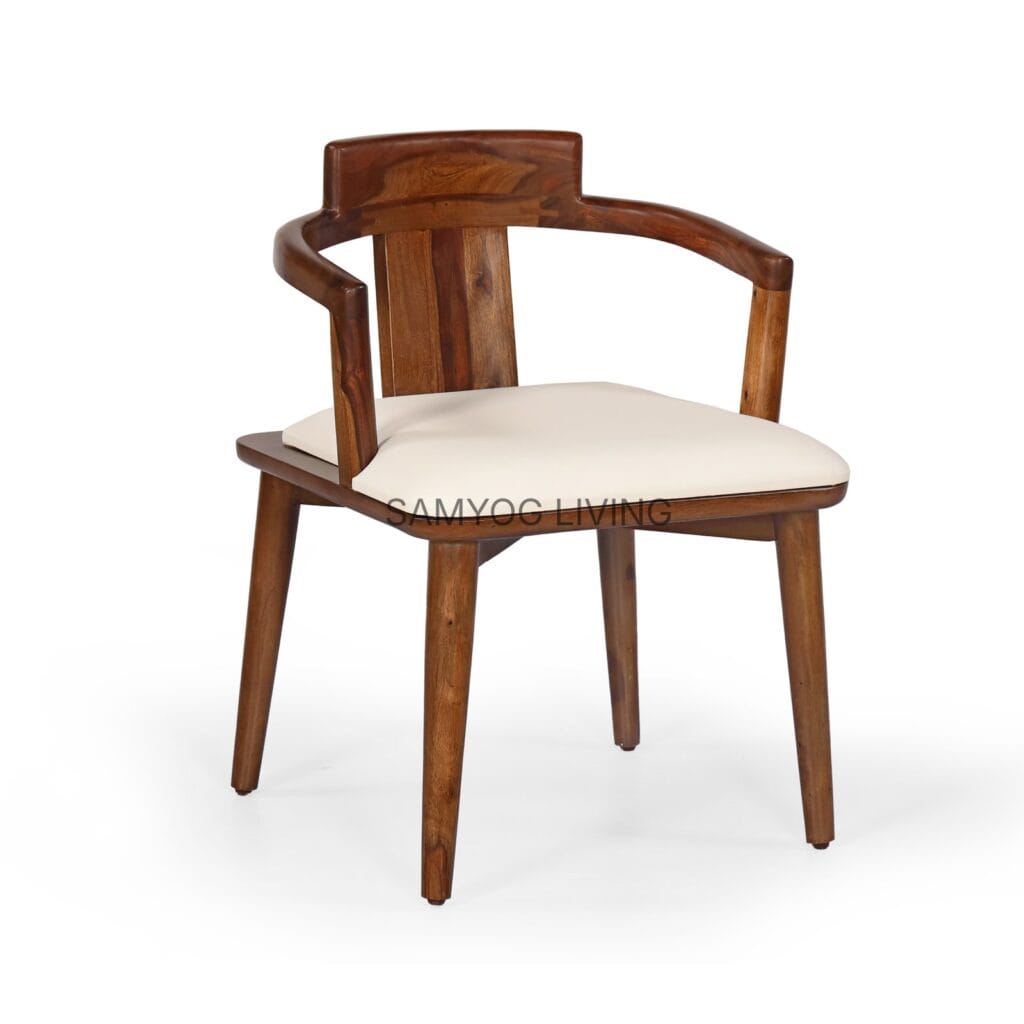
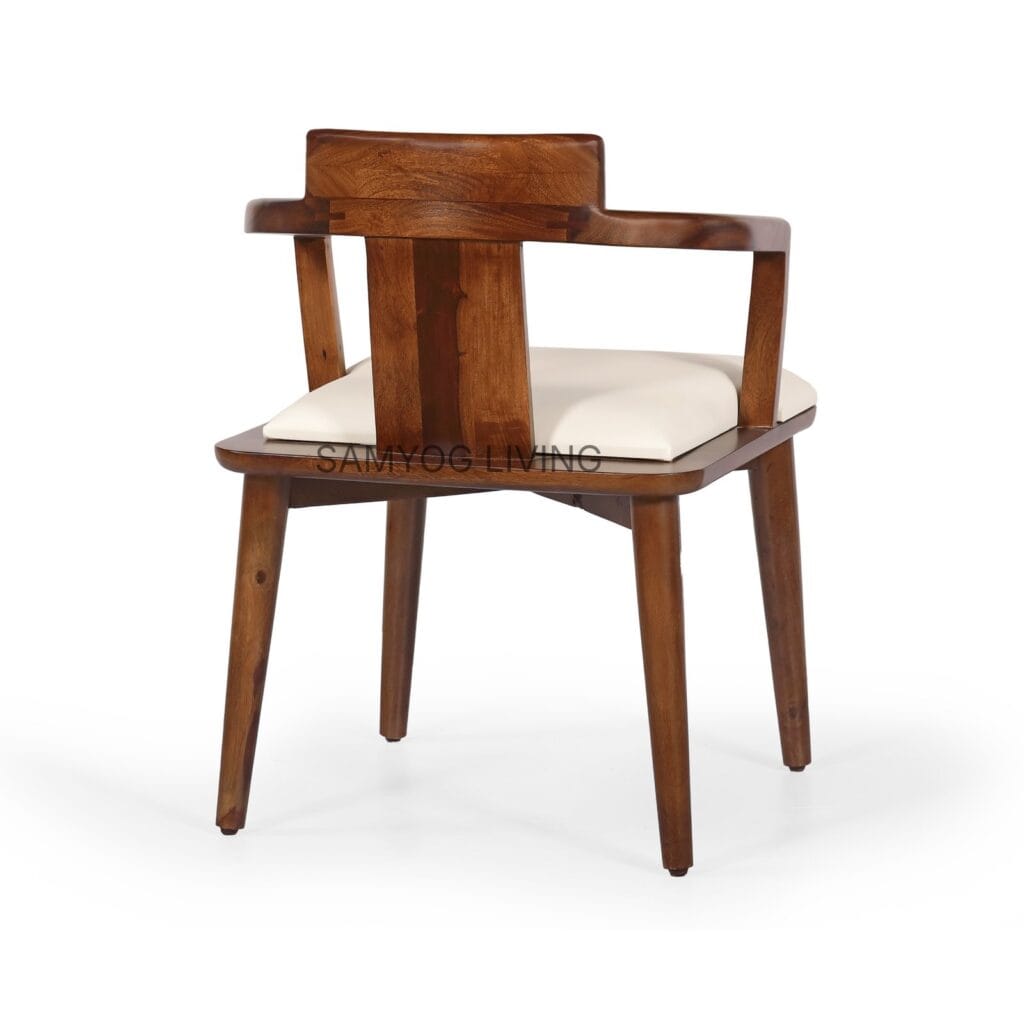
For business owners, this difference also shapes how you design your space. The right café or restaurant furniture — crafted in durable solid wood, paired with aesthetic finishes — defines the comfort, flow, and identity of your dining space.
At Samyog Living, we specialize in custom-made commercial furniture designed for cafés, restaurants, and hospitality spaces. Each piece combines handcrafted quality, timeless design, and ergonomic comfort to make every dining experience more meaningful.
FAQs – Café vs Restaurant
1. What’s the main difference between a café and a restaurant?
A café focuses on beverages and light snacks in a casual environment, while a restaurant serves full-course meals with professional table service.
2. Are cafés cheaper than restaurants?
Yes. Cafés generally have simpler menus and lower operational costs, making them more affordable.
3. Can I work or study in a café?
Absolutely. Most cafés offer Wi-Fi, plug points, and comfortable seating for long working hours.
4. Which type of furniture suits a café?
Compact wooden tables, lounge chairs, and bar-stools are ideal for cafés. Choose warm finishes to enhance comfort and creativity.
5. Which type of furniture suits a restaurant?
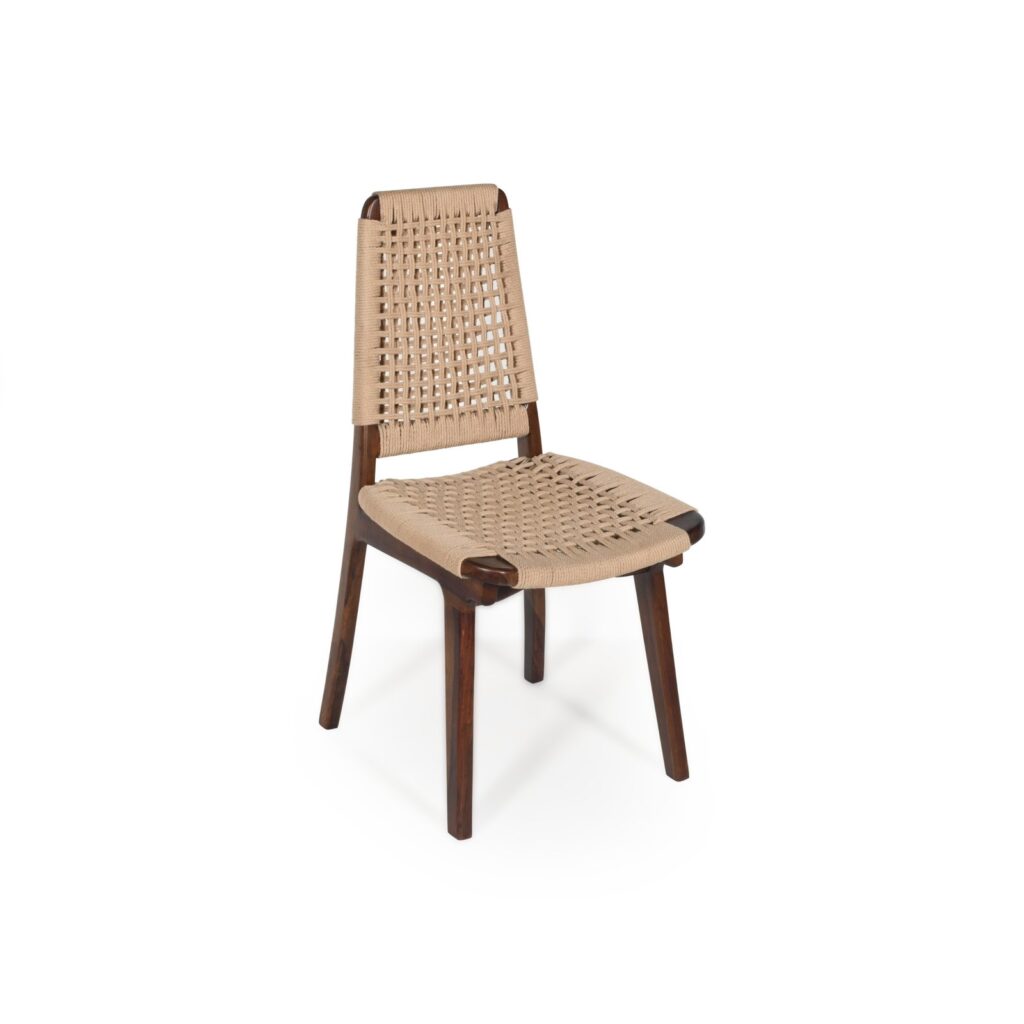
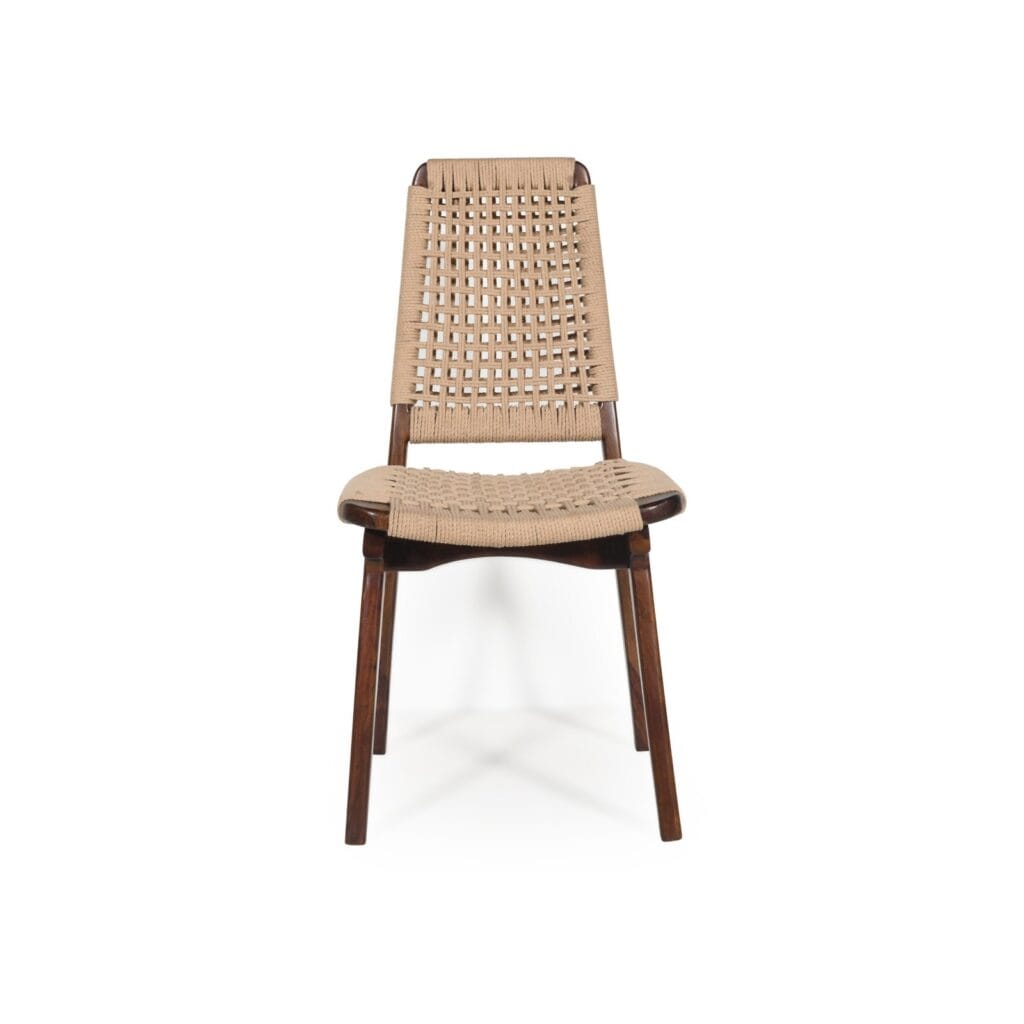
Restaurants require structured dining furniture — ergonomic chairs, solid wood tables, and coordinated finishes to match the theme.
6. Can restaurants serve coffee and desserts like cafés?
Yes, but the main focus remains on full meals and dining service.
7. What’s better for socializing?
Cafés are better for informal meet-ups, while restaurants suit celebrations and formal gatherings.
8. What types of restaurants exist?
Casual dining, fine dining, buffets, themed restaurants, and fast food outlets — each with different furniture and layout needs.
9. Can cafés serve full meals?
Some modern cafés offer small plates or brunch menus, but restaurants are better equipped for full-course dining.
10. How does furniture impact the dining experience?
Furniture defines comfort, flow, and brand identity. The right commercial dining furniture sets the tone for your café or restaurant and shapes how guests feel in your space.