 One Seater Sofa
 2 Seater Sofa
 Three Seater Sofa

 Hanging Lamp
 Floor Lamp

 Chirmi Collection
 Curve Collection
 Kiara Collection
 Ela Collection
 Moon Collection
 Ara Collection
 Black Collection
 Vla Collection

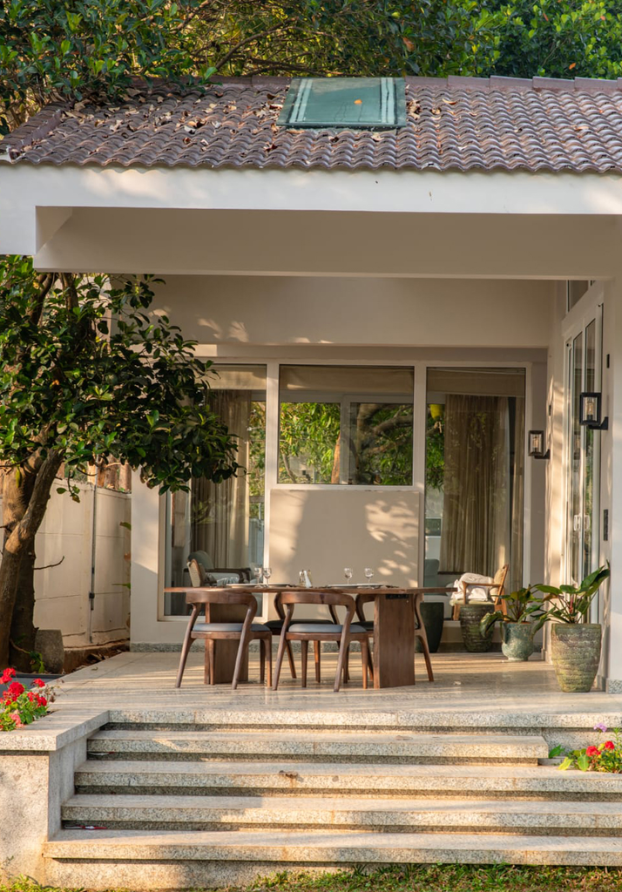
2026 Forecast: The Top 10 Trends Redefining Cafés and Restaurants

The dining landscape is evolving rapidly. What diners expect — how they order, where they sit, what values they care about — is changing. As we look ahead to 2026, cafés and restaurants will increasingly become places of innovation, purpose, and immersive experience. If you manage a venue, plan one, or simply love observing food culture, this guide will walk you through the key shifts to keep an eye on.
1. Smart Dining Powered by Data & Automation
Technology will move beyond novelty and become central to how venues operate. Expect more restaurants and cafés using data-driven systems for everything from tailoring menus to managing inventory and guest interaction. Digital ordering is no longer merely replacing paper; it’s evolving into smart recommendations based on past preferences, dietary needs and real-time availability. Kitchens will also lean on IoT devices, smart sensors and automation to streamline workflow and conserve resources.
2. Deeper Climate Consciousness
“Sustainability” is no longer enough — consumers will expect regenerative, transparent and traceable food supply chains. Restaurants will spotlight local farms, regenerative agriculture, minimal-waste kitchens and eco-friendly packaging. Packaging and take-out setups will increasingly reflect environmental values, and diners will reward those venues that show genuine commitment.
3. Global Inspiration, Local Roots
The fusion menus we’ve seen will deepen into something richer: global flavors grounded in regional ingredients and local sourcing. A dish might carry the hallmark of an international cuisine while being crafted with locally grown produce or region-specific touches. At the same time, “street food elevated” will grow: chefs re-interpreting street classics in more refined settings.
4. The New Plant-Based Era
Plant-forward is entering its next phase. Instead of simply offering vegetarian options, venues will design dishes where plants lead. Expect imaginative meat-free seafood alternatives, whole-ingredient plant mains, and tasting menus that centre on plants — not as an afterthought but as the main act.
5. Immersive, Experience-First Dining
Dining out will become less about “just the food” and more about the total experience. Restaurants and cafés will use lighting, sound, décor, interactive elements and themed settings to create memories. From sensory food theatre to open kitchens, immersive experiences will be a growing differentiator.
6. Health, Wellness & Functionality
Food as nourishment will go beyond “low-calorie” or “light”. Guests will expect menus built for wellness: meals designed for gut health, immune support, mental clarity, or sleep. Smart dining concepts will integrate nutritional tracking, customisable meals based on health goals, and softer transitions between indulgence and wellbeing.
7. Delivery-First, Virtual & Hybrid Formats
The delivery business continues to surge, but it’s evolving. The “ghost kitchen” model (virtual restaurants, delivery-only brands) will expand, and hybrid venues offering both in-house and delivery will adapt design, layout and furniture accordingly. Expect more brands mastering logistics, speed and convenience, without sacrificing quality.
8. Kitchen & Back-of-House Innovation
The visible front of the restaurant gets much of the attention, but behind the scenes we’ll also see major change. Kitchens will adopt automation, robotics, advanced appliances and smart analytics to optimise operations. These back-end shifts will enable front-of-house teams to focus more on guest experience and less on repetitive tasks.
9. Personalisation at Scale
In 2026, “one size fits all” will feel dated. Dining venues will offer far more customised experiences: from menu options tailored to personal tastes or dietary codes, to seating and ambiance that adapt to different guest moods. Loyalty programmes will evolve, providing personalised recommendations not just discounts. The goal: make each guest feel uniquely catered to.
10. Community & Purpose-Driven Dining
Despite all the tech and innovation, community and connection remain powerful. Restaurants and cafés will lean into their role as local anchors — hosting events, supporting local causes, radiating a sense of belonging. Subscription-style dining or local membership programmes may grow; places will become more than places to eat, but places to engage, learn and connect.
Why These Trends Matter
These shifts are rooted in broader changes: consumer expectations, global pressures on sustainability, digital living, and a rethinking of dining as both social and experiential. For anyone in hospitality, neglecting these areas may mean missing the next wave of guest engagement. For furniture, layout and design professionals, this means the seating, tables, lighting, and finishes we choose must align not just with function but with these evolving values and experiences.
Implications for Café & Restaurant Owners
Design with flexibility in mind: Seating areas that adapt to remote workers today may serve event space tomorrow.
Choose furnishings that match brand values: If you’re emphasising local sourcing and sustainability, your furniture should reflect that (e.g., sustainably-harvested wood, modular designs).
Invest in technology infrastructure: From smart lighting and seating configurations to responsive digital menus and loyalty platforms.
Menu strategy matters: Think beyond staples. Guests will expect innovation — whether it’s plant-based specials, cross-cultural dishes or wellness-oriented plates.
Brand story counts: Transparency about sourcing, community involvement, environmental initiatives and guest personalisation will shape loyalty.
Looking Ahead
As we move into 2026, the venues that succeed will be those that blend innovation with authenticity; digital ease with human connection; sustainability with delight; and functionality with empathy. The future of dining is not just about feeding people — it’s about meeting them where they are, anticipating what they care about, and creating spaces (and meals) that resonate deeply.
Whether you run a small café or a multi-course restaurant, taking note of these trends now gives you a head start in creating places that feel fresh, relevant and future-ready.